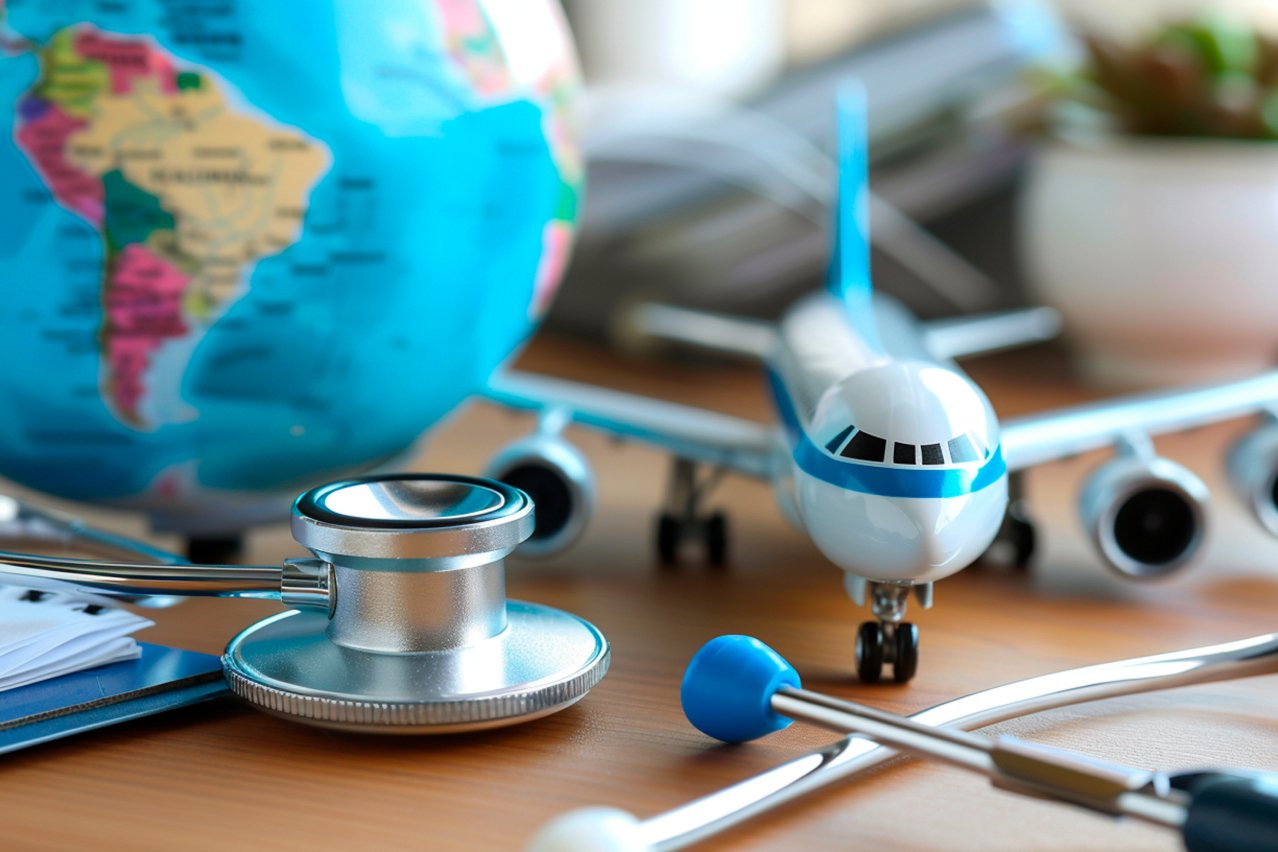
Traveling internationally is an exciting experience, but proper health preparation is essential to ensure a safe and stress-free journey. Different countries have varying health risks, vaccination requirements, and medical standards. Planning ahead with a clear health checklist can protect you from unexpected complications while abroad.
1. Schedule a Travel Health Consultation
Before traveling, book a consultation with a healthcare professional or travel clinic. Ideally, this should be done 4–8 weeks before departure. During the consultation, you can discuss your destination, planned activities, medical history, and any potential health risks specific to the region.
2. Check Required and Recommended Vaccinations
Many countries require specific vaccinations for entry. Others strongly recommend immunizations based on local health risks. Common travel vaccines may include:
- Hepatitis A and B
- Typhoid
- Yellow Fever
- Tetanus booster
- Routine immunizations updates
A travel health professional will guide you on what is necessary for your destination.
1. Review Your Current Medications
If you take prescription medications, ensure you have enough supply for the entire trip, plus extra in case of delays. Keep medications in their original labeled packaging and carry a copy of your prescriptions. A medication review before travel can also help prevent issues while abroad.
4. Prepare a Travel Health Kit
Pack essential items such as:
- Basic pain relievers
- Motion sickness medication
- Anti-diarrheal medicine
- Allergy tablets
- First-aid supplies
- Hand sanitizer and disinfectant wipes
Having these items readily available can help manage minor health concerns quickly.
5. Understand Food and Water Safety
In certain regions, food and water contamination can cause illness. Drink bottled or purified water when recommended and avoid raw or undercooked foods. Following local health guidance reduces the risk of traveler’s diarrhea and infections.
5. Consider Travel Insurance
Comprehensive travel insurance that includes medical coverage is highly recommended. Healthcare services abroad can be costly, and insurance provides peace of mind in case of emergencies.
Conclusion
Before your next trip, speak with a qualified travel health professional to ensure you are fully prepared for your destination.
Book Appointment